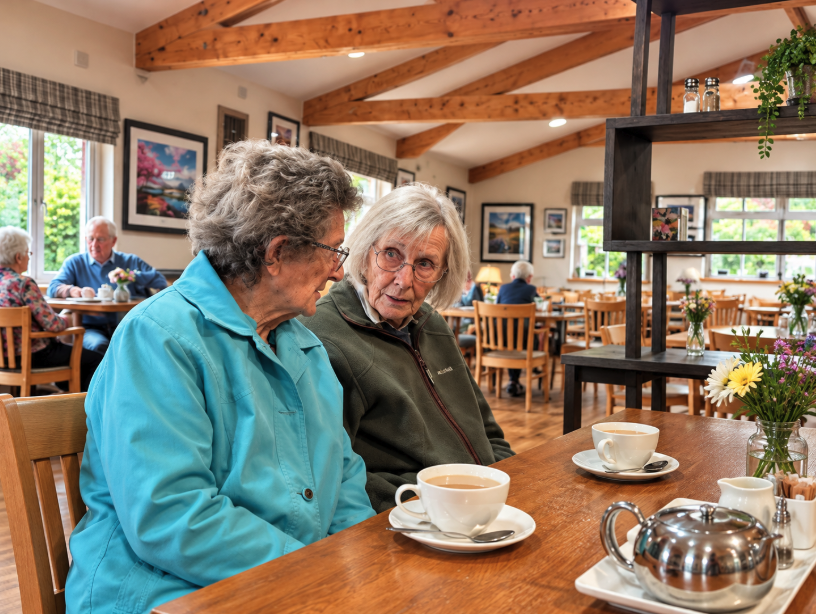
Choosing a care home for yourself or someone you love is an important decision, and with so many options available, finding somewhere that feels welcoming, comfortable and trustworthy can take time. A good care home should support your loved one's wellbeing and independence while giving the whole family peace of mind. The right team will also understand that choosing a care home can feel overwhelming, and will be happy to answer your questions and guide you through the process.
If you're wondering how to choose a care home, we've put together some helpful advice on the different types of care available, what to look for and how to find a home that feels right for you.
Understanding The Different Types Of Care Homes
The first step in choosing a care home is understanding what type of care you or your loved one would benefit from. This will help you narrow down your options and find somewhere that can offer the right level of support.
Residential Care
Residential care is ideal for people who would appreciate some extra help with everyday tasks, while continuing to enjoy their independence. This might include support with personal care or mobility, or simply having someone take care of household chores such as cleaning, cooking and laundry. Residential care can also be a lovely option for anyone feeling lonely or isolated at home, as it offers opportunities to make friends and enjoy activities with others.
The aim is to help residents maintain as much independence as possible, with friendly staff available 24 hours a day whenever they need a little extra support or reassurance.
Nursing Care
Nursing care offers everything included in residential care, with additional medical support from qualified nurses. It's particularly suited to people living with long-term health conditions or disabilities who need regular medical attention or monitoring throughout the day and night. With trained nurses on hand around the clock, residents can receive the care they need in a familiar, comfortable environment.
Dementia Care
Dementia care is a specialist form of residential or nursing care designed around the needs of people living with dementia. Staff receive specialist training to understand and respond to challenges such as memory loss, confusion and changes in behaviour. They focus on helping residents feel calm and comfortable, reducing anxiety and encouraging them to continue doing the things they enjoy.
Respite And Palliative Care
Some care homes also offer respite and palliative care. Respite care provides a short-term stay in a care home, whether that's to give a family carer a break or to provide additional support for a little while. It can also be a helpful way to experience life in a care home before deciding whether a permanent move feels right.
Palliative care focuses on comfort, dignity and quality of life for people living with serious or life-limiting conditions, while also offering reassurance and support to their families.
Dual-Registered Care Homes
If you think your loved one's care needs might change over time, it's worth considering a dual-registered care home. These homes offer more than one type of care, which means residents may be able to receive additional support without having to move somewhere new.
This continuity can be particularly reassuring for residents and their families, as it helps avoid the worry of moving to a new home during an already emotional time.

How Do I Choose A Care Home?
Once you understand the type of care you need, it's time to start looking at individual homes. When thinking about how to choose a care home, remember that everyone's idea of the perfect home is different. What matters most is finding somewhere that suits your loved one's personality, interests and preferred way of living.
Think About Location And Practicalities
Location is often one of the first things families consider. Your loved one might prefer to stay close to their current home, move nearer to family and friends or settle in a town they've always loved visiting.
Think about what would make everyday life enjoyable for them, as well as how easy it would be for loved ones to visit regularly.
If they enjoy getting out and about, ask whether the home organises day trips or has its own transport. This can make a real difference for residents who love exploring the countryside or visiting local attractions, including those who appreciate a little help with mobility.
Read Inspection Reports And Reviews
Before arranging a visit, take some time to read the home's latest inspection report. The Care Inspectorate is an independent body that assesses care services in Scotland, while the Care Quality Commission (CQC) carries out inspections in England. These reports can give you a clearer understanding of the quality of care a home provides.
It's also worth looking at reviews on trusted websites such as carehome.co.uk. Reviews from residents and their families can offer valuable insight into everyday life at the home, from the friendliness of the staff to the activities and meals.
Activities, Entertainment and Facilities
Moving into a care home shouldn't mean giving up the hobbies and interests someone has always enjoyed. Look for a home that offers a varied programme of activities, with facilities opportunities that would make your loved one's day-to-day life more enjoyable.
For some, that might mean joining a knitting club or spending an afternoon painting. Others might prefer birdwatching, gardening or simply enjoying a chat with friends. Activities should be planned with residents preferences in mind, creating opportunities for them to take part in their favourite pastimes. The most important thing is that residents have choices and can spend their time in ways that make them happy.
If your loved one enjoys being outdoors, a home with a private garden could be particularly appealing. It's worth considering which facilities your loved one would use regularly, rather than focusing on features that might look impressive but aren't important to them.
Arrange A Visit
While photographs, reviews and inspection reports are useful, nothing quite compares to visiting a care home in person. A tour gives you the chance to meet the staff, explore the surroundings and get a feel for what everyday life is like. It also offers an opportunity to ask questions and see whether your loved one feels comfortable in the environment.
What Are The Signs Of A Good Care Home?
Knowing what are the signs of a good care home can make the decision feel much easier. Although every home has its own personality, here are some important qualities worth looking for.
A Warm, Homely Environment
A good care home should feel welcoming from the moment you walk through the door. Communal areas should be clean and tidy, with comfortable places for residents to relax or spend time together. The layout should also be practical, allowing residents to move around as independently as possible. Above all, the home should feel like somewhere people enjoy living, rather than simply somewhere they receive care.
You might also want to ask whether bedrooms have private en-suite bathrooms and if residents can bring their own furniture, photographs or favourite belongings to personalise their space and help them settle in.
Friendly, Knowledgeable Staff
The people providing care are just as important as the building itself. Staff should be approachable, happy to talk about their training and experience. A good care team should understand each resident's individual needs and take the time to get to know them as a person.
Management should also be visible and accessible, so residents and families feel comfortable asking questions or discussing any concerns.

Personalised Care That Respects Individual Choices
One of the clearest signs of a good care home is the way staff treat residents as individuals. Every resident should have a personalised and regularly updated care plan that reflects their needs, preferences and routines. Staff should know residents by name, understand what matters to them and have time to offer thoughtful, attentive support.
Your loved one should also have a say in how they spend their day. Whether they prefer an early start or a lie-in, enjoy eating with others or like a quieter mealtime, their choices should be respected wherever possible.
Maintaining familiar routines can make settling into a new home easier, while helping residents preserve their independence and sense of identity.
Freshly Prepared Meals And Personal Preferences
Food is an important part of feeling at home, so it's worth finding out how meals are prepared and served. Look for a home where an in-house chef freshly prepares meals and takes residents' preferences into account.
Staff should listen to what residents enjoy eating and make sure individual dietary requirements and preferences are respected. Mealtimes should be something residents can look forward to, with choices that suit their tastes.
More Things To Look Out For During Your Care Home Visit
When you visit a care home, trust your instincts. First impressions can tell you a lot about how comfortable and welcoming a place feels. Take a moment to observe the atmosphere; do residents seem happy and relaxed? Are they chatting with staff, enjoying activities or spending their time in ways that suit them?
If you meet other families who are visiting their loved ones, you could also ask how they've found their experience. They may be happy to share their thoughts and offer a personal perspective on what life at the home is really like.
Most importantly, consider how your loved one feels during the visit. Do they seem comfortable? Can they picture themselves enjoying life there?
There's no need to rush your decision. Taking the time to visit, ask questions and listen to your loved one's preferences can help everyone feel more confident about the next step.
Finding The Right Care Home In South Lanarkshire
At Beechgrove Care Home in South Lanarkshire, we understand how personal this decision is, and we're here to offer guidance and reassurance as you explore your options.
Our approach focuses on providing expert, personalised care that respects individuality, encourages independence and helps residents feel comfortable and supported. We want families to feel confident that their loved ones are treated with kindness and dignity, with their wellbeing at the heart of everyday life.
If you're considering Beechgrove Care Home, we'd be happy to answer your questions and help you discover whether our home could be the right fit for you or someone you love. Please arrange your personalised tour today to get started.