Residential Care or Nursing Care: What’s The Difference?

Care homes offer a variety of services, supporting those requiring lower level help to those with much more advanced needs, leaving many people wondering what the differences are between the different types of care. The terms 'care homes', 'residential homes' and 'nursing homes' are often used interchangeably, but there are important distinctions that set apart residential and nursing care.
Both care types are very similar, offering round the clock care and support, offering residents with as little or as much assistance as they need to complete everyday living tasks or activities they love to do. From helping residents with their personal care, personal hygiene, communication or assisting those with reduced mobility, both nursing and residential care within care homes can support this.
What is Residential Care?
Residential care is general care and support provided to those within a care home and is designed for individuals who need low level assistance with day-to-day tasks, administering medication and mobility assistance whilst encouraging independent living. Residential care is also known as ‘group living arrangements’ or ‘assisted living’. Residential care homes provides lots of social opportunities and some also provide a range of onsite facilities in which residents can take advantage of.
Residential care homes are ideal for those with low level care needs, where residents will treat the care home as their home, living their without the stress of daily household management, all alongside receiving 24-hour support.

What is Nursing Care?
Nursing care is similar to residential care, supporting those with personal care in a group living environment offering 24-hour care and support alongside providing medical care. This type of care is designed for those who need frequent medical treatment or intensive rehabilitative care, for example, those who have suffered from a stroke, require a feeding tube, have physical disabilities or long term health conditions in which are common in old age.
This type of care is given by registered nurses, qualified nurse practitioners and qualified care assistants who take on a host of responsibilities, including contributing to a residents plan of care, administering medication and collaborating with other medical professionals. Those who receive nursing care will experience the benefits of group living and the support needed to move around the care home, alongside accessible activities which are also provided to ensure all individuals receive a varied lifestyle.

The Difference Between Residential and Nursing Care
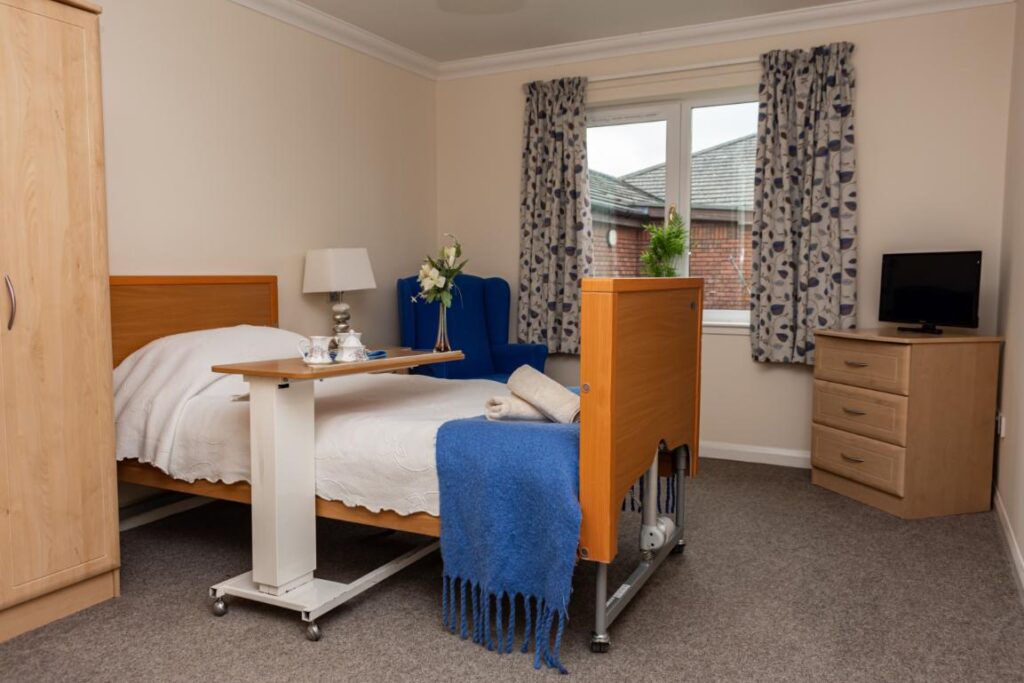
Both nursing and residential care supports residents within a homely environment where qualified staff are available 24 hours a day, nursing care just has an additional nursing team providing more advanced care. Every individual receiving care will have a care plan dedicated to meeting their individual needs, yet with nursing care, qualified nurses or district nurses will monitor and devise care plans, whilst providing and administering treatment, caring for those with medical conditions, physical disabilities, learning disabilities, or other complex conditions, illnesses or mental health issues.
For both nursing and residential care, residents are cared for 24-hours a day, 7 days a week, with nurse call points located around every bedroom throughout all care homes, meaning nurses and care assistants can be called upon during any time of the day or night in which they are needed to provide specialist medical care.
Personalised Support
As mentioned above, personalised care plans are important, they are put together by the care homes to make sure comprehensive support is offered and residents receive care all within a personal, wellbeing and medical perspective.
Due to the diverse needs of older people needing nursing care, the scope of practice is undertaken by experienced and skilled staff members within the care home. This allows them to offer a variety of care services to residents on a 24 hour basis, including medical care, personal care for those who are bed bound and wound care. It’s important to know other care homes also provide services such as dementia care, respite care and palliative care.
Care Home and Nursing Home Costs
Each care home or nursing home will establish a fee structured on the type of care needed alongside the level of care needed. Further to the care service, other factors are taken into account such as accessibility, location and amenities. Some care homes offer a fixed weekly fee or a monthly rate, where as others look into a pay as you go model. Each cost will vary depending on the levels of care needed and the type of care home the individual is staying at.
Who pays care home fees?
Individuals usually take responsibility for covering their care home costs, (self funding) though some may face challenges when it comes to affording it. Therefore, funding may be available for certain individuals, yet it all depends on their circumstances. There is also the local authority funding which is provided by a local council to support those who are unable to pay for their care home or nursing home fees. To be eligible for this type of funding a test needs to be conducted.
This test is a financial assessment of someones finances, carried out to see if they meet the threshold. There is also a type of care called Complex Clinical Care which is funded by the NHS in Scotland and this covers the cost of someones care if they have significant health needs, or a primary health need such as those with severe physical disabilities, mental health conditions, life threatening illnesses or other medical conditions.
To see if you’re eligible for this type of funding, a care needs assessment will be conducted by visiting health professionals, where they will examine an individual’s needs using a checklist to see if their health needs are complex, unpredictable or intense.

What is the Best Type of Care Home For Me?
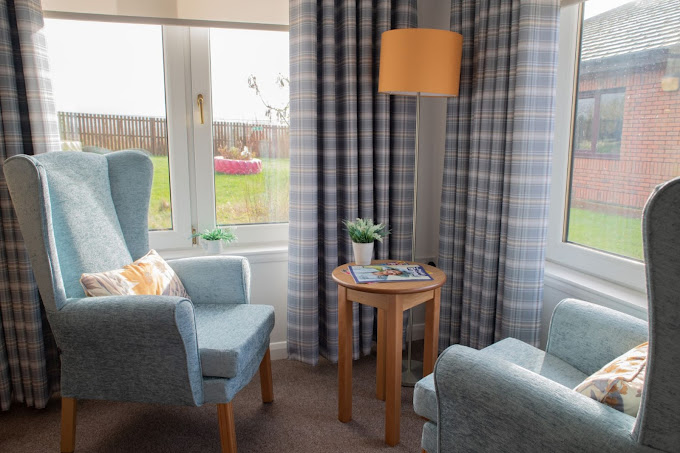
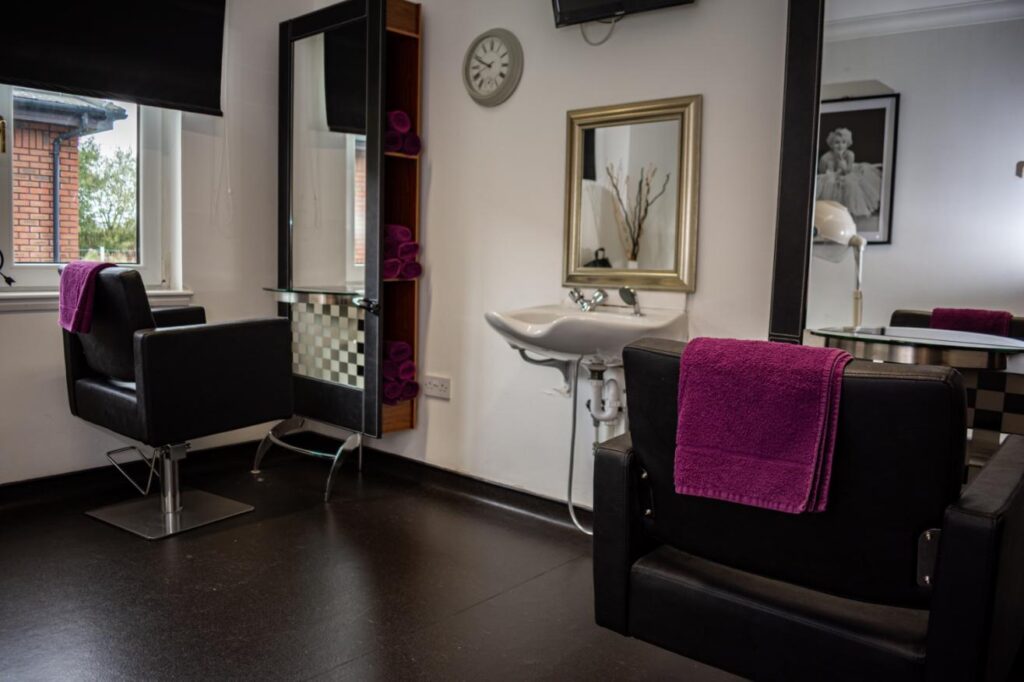
Not all care homes provide the same services and facilities, therefore its important to consider every aspect of your lifestyle and care within a care home before making you final choice.
If you’re looking specifically for shared living accommodation where you can socialise and receive support as and when you may need it alongside enjoying on site activities, a residential care home would be ideal to suiting all your needs. However, if you or a loved one requires slightly higher levels of personalised care and medical support a registered nurse, then a nursing home will be the one that will be best suited compared to residential homes.
Choosing a Care Home
We understand that taking that next step to look into a care home for either yourself or a loved one is a big step that involves a lot of thought, its a difficult time and its hard to know where or who to turn to. Upon admission to any care home, a personal assessment will help establish a care plan which will decide what level of medical care or personal care is best for each individual to make sure the care home will meet their requirements. Most care homes will also provide home tours to ensure that you get a feel for the home, understanding the comfortable feel within the new surroundings.
Care Home Lanarkshire
Here at Beechgrove Care Home, we provide both nursing and residential care as well as specialist dementia care, respite care and palliative care.
All our residents our nursing home in Lanark receive high quality care, with shared communal facilities and social activity, allowing residents to thrive. Our accessible activities programme ensures no two days are the same and residents benefits from physical activities and mental stimulation. Person-centred care means we regularly consult with our residents and their relatives to understand what they enjoy and what they would like to try, whilst keeping all care requirements as an ongoing priority.
Here to Support You
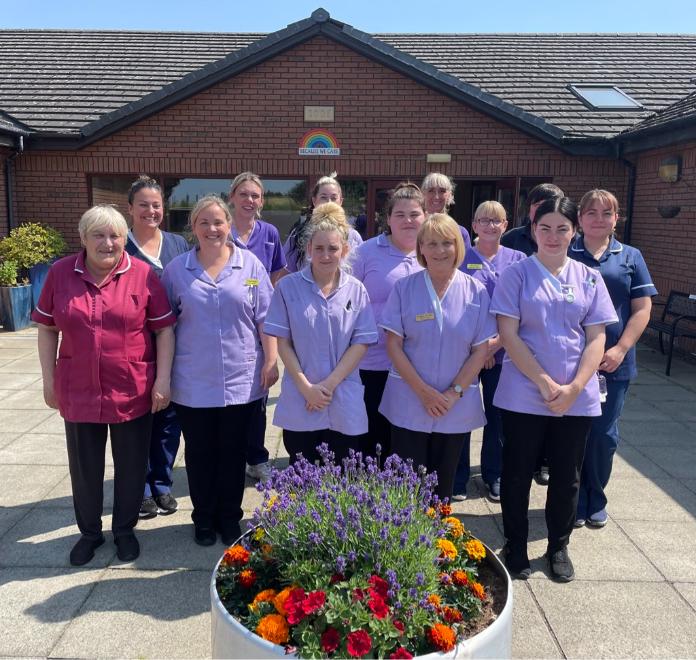
Understanding the different types of care and how best to support your family can be confusing, that's why our staff are always on hand to provide current and prospective residents with support and advice. You can be rest assured that we will provide you with the best guidance and support in determining the best course of action for you or your loved one.
We welcome you to contact us with any questions you may have in regards to our care or our home. Whether it’s short term care or long term care you require, we can help.
This blog was updated on Monday 23rd March 2026.